Hash browns are a beloved breakfast staple, offering a crispy, golden exterior and a soft, tender interior that makes them the perfect complement to eggs, bacon, or as a side to just about any meal. Whether prepared from fresh potatoes or frozen, hash browns are convenient and versatile. However, once cooked or partially cooked, a common question arises among home cooks: Can you refreeze hash browns? It’s a question that warrants consideration, particularly when you’ve bought a large quantity or find yourself with leftovers. Freezing food is an excellent way to prolong its shelf life, but not all foods fare well after being frozen and thawed multiple times. The delicate balance of texture and flavor in hash browns is particularly susceptible to degradation when improperly handled. This article will explore the implications of refreezing hash browns, offer guidance on how to do so correctly, and identify when you should avoid refreezing them entirely.
Can You Refreeze Hash Browns?
Technically, yes, you can refreeze hash browns. However, the process is not without consequences. Whether your hash browns were cooked or raw before freezing, refreezing them introduces a host of potential issues that can affect both their texture and flavor. While many frozen foods can be refrozen without significant quality loss, hash browns present a unique challenge because they are often made with grated potatoes, which contain a high water content. Freezing and thawing potatoes multiple times leads to changes in their cellular structure, making them less crisp upon reheating and potentially mushy in texture.
In terms of food safety, refreezing hash browns is generally safe as long as they haven’t been left at room temperature for extended periods. As with any frozen food, the key to ensuring safety when refreezing is to follow proper handling and storage guidelines.
Effects Of Refreezing Hash Browns
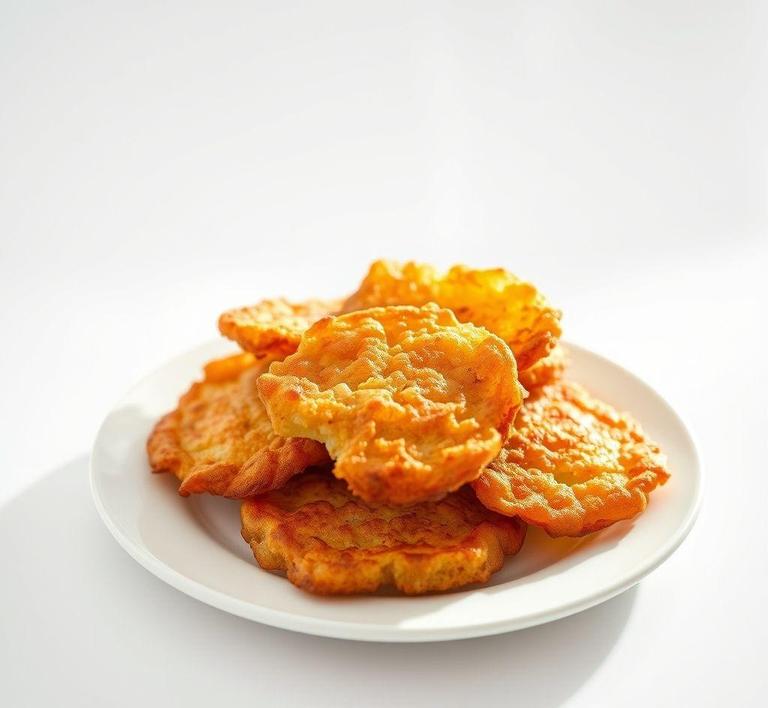
When hash browns are refrozen, several factors affect the final quality of the product. First and foremost, the texture of the hash browns will almost certainly degrade. Potatoes are largely composed of water, and during the freezing process, ice crystals form inside the cells. These crystals rupture the cell walls, and when the hash browns are thawed, moisture is released, which can cause them to become soggy. Upon refreezing, the damage becomes more pronounced, leading to a mushier consistency upon reheating.
Another issue is the potential loss of crispiness. Hash browns are prized for their crispy outer layer, but this texture is difficult to maintain after multiple freezing cycles. The original crispness can turn into a limp or soggy texture when refrozen hash browns are cooked, making them less appetizing.
Flavor is also a consideration. While refreezing hash browns doesn’t usually lead to significant changes in taste, there is a possibility of slight degradation. The freezing process, especially when repeated, can cause some loss of the fresh, earthy potato flavor, and the oil or seasonings used during the initial cooking process may not hold up as well after the second freeze and thaw cycle.
Proper Method To Refreeze Hash Browns
To minimize the impact on texture and flavor when refreezing hash browns, following a proper method is crucial. Here’s how to do it correctly:
- Cool the Hash Browns: If you’ve cooked your hash browns, ensure they have completely cooled before refreezing them. This helps prevent condensation, which can contribute to ice crystals forming inside the packaging.
- Package Properly: The packaging used for freezing is one of the most important factors in retaining quality. Use airtight containers or heavy-duty freezer bags. When using freezer bags, try to squeeze out as much air as possible before sealing to prevent freezer burn. If possible, vacuum-sealing is ideal for maintaining freshness.
- Portion Control: It’s a good idea to refreeze hash browns in smaller portions, especially if you don’t plan to use the entire batch at once. This reduces the need to repeatedly thaw and refreeze the same batch, helping to preserve the quality of the remaining hash browns.
- Freeze Immediately: Once you’ve packaged your hash browns, place them back in the freezer as quickly as possible. This minimizes the time they spend at a temperature where bacteria could multiply, ensuring that food safety standards are met.
- Label and Date: Always label your frozen hash browns with the date so you can track how long they’ve been stored. This helps prevent keeping them in the freezer too long, as even properly stored frozen hash browns will degrade in quality over time.
How Long Can You Refreeze Hash Browns?
The length of time hash browns can be refrozen depends on several factors, including how well they were packaged and how many times they’ve been thawed. In general, refrozen hash browns should be consumed within 1 to 2 months for optimal quality. After this period, the texture may become increasingly mushy, and the flavor could deteriorate.
When refreezing, it’s important to remember that each freeze-thaw cycle causes additional loss in quality. The more often hash browns are frozen and thawed, the more the texture and flavor will degrade. Therefore, while you can technically keep refrozen hash browns in the freezer for several months, it’s recommended to use them within a few weeks to enjoy them at their best.
When Hash Browns Should Not Be Refrozen
While refreezing hash browns is technically possible, there are certain instances when you should avoid it altogether. These include:
- Extended Time at Room Temperature: If the hash browns have been thawed and left at room temperature for more than 2 hours, they should not be refrozen. The risk of bacterial growth increases significantly when food sits in the temperature danger zone (40°F to 140°F), making it unsafe to refreeze.
- Poor Storage Conditions: If the hash browns were not properly stored after their initial freeze or were left exposed to air for extended periods, they may have developed freezer burn or become contaminated. In such cases, refreezing them would only compound the problem, leading to an even less appetizing product.
- Multiple Thawing Cycles: Refreezing hash browns that have already undergone several thawing cycles, such as if they were thawed once, cooked, then frozen again, should be avoided. Each thawing and refreezing cycle exacerbates the degradation of texture and flavor, ultimately leading to a poor eating experience.
- Hash Browns with Fillers or Additives: If the hash browns contain added ingredients like cheese, sauces, or other fillings, these may not hold up well after being refrozen. Certain ingredients can separate, break down, or lose their quality during the freezing and refreezing process.
Common Refreezing Mistakes
- Not Properly Cooling: Refreezing hot or even lukewarm hash browns is a mistake. The moisture released as they cool can lead to sogginess, which then freezes and crystallizes, compromising texture upon reheating.
- Overpacking: While it’s tempting to squeeze as much as possible into your freezer, overpacking hash browns can result in air exposure and uneven freezing. This leads to freezer burn and a reduction in overall quality.
- Not Labeling: It’s easy to forget when you froze your hash browns, and without proper labeling, you risk keeping them in the freezer for longer than recommended. This can lead to an unpleasant eating experience due to a loss of flavor and texture.
- Repeated Thawing and Refreezing: Repeated thawing and refreezing are one of the biggest culprits in diminishing the quality of hash browns. If you find that you’re often left with leftovers, consider freezing smaller portions to avoid this problem.
FAQs
Can I Refreeze Hash Browns After They Have Been Thawed?
Yes, you can refreeze hash browns after they have been thawed, but it is not recommended for best quality. Refreezing can lead to changes in texture, making them soggy or mushy when reheated. It’s best to only refreeze hash browns if they have been thawed in the refrigerator and not left out at room temperature.
What Is The Best Way To Refreeze Hash Browns?
To refreeze hash browns properly, place them in an airtight container or freezer-safe bag to prevent freezer burn. If the hash browns are in a large batch, consider dividing them into smaller portions before refreezing. For best results, refreeze hash browns as soon as possible after thawing.
How Long Can Hash Browns Be Kept In The Freezer?
Frozen hash browns can typically be stored in the freezer for up to 12 months if kept in an airtight container or freezer-safe bag. However, for optimal quality, it is best to use them within 3 to 6 months.
Do Hash Browns Lose Quality After Being Refrozen?
Yes, hash browns can lose some of their quality after being refrozen. The texture, especially, may become more watery and less crispy when cooked. The potatoes may also become more crumbly, which could affect their overall taste and mouthfeel.
Can I Refreeze Hash Browns That Have Been Cooked?
It is generally safe to refreeze cooked hash browns, but their texture will likely degrade. The cooking process already alters the potato’s moisture content, and refreezing can cause further changes. If you choose to refreeze cooked hash browns, allow them to cool completely and store them properly.
How Do I Prevent Hash Browns From Sticking Together When Refreezing?
To prevent hash browns from sticking together, spread them in a single layer on a baking sheet and freeze them for 1-2 hours before transferring them to an airtight container or freezer-safe bag. This process, known as flash freezing, ensures that the individual pieces remain separate and easier to use later.
Is There Any Risk In Refreezing Hash Browns Multiple Times?
Refreezing hash browns multiple times increases the likelihood of poor texture and diminished quality. Each cycle of freezing and thawing causes moisture loss and affects the integrity of the potatoes. While it may be safe to refreeze once, it’s best to avoid doing so multiple times.